Proper Nutrition for Effective Cut

🔹 Section 1: Purpose of Cutting – Science Behind Fat Loss
Cutting refers to a structured period of caloric deficit aimed at reducing body fat while preserving lean muscle mass. It is especially critical in bodybuilding, physique sports, or for individuals seeking a defined, aesthetic appearance.
The goal is not simply weight loss, but body recomposition — losing fat while maintaining as much muscle as possible. This requires a delicate balance between calorie reduction, nutrient optimization, and resistance training.
Key Metrics:
Target fat loss rate: 0.5–1.0 lbs (0.25–0.5 kg) per week
Losing faster may result in muscle loss, hormonal disruption, or metabolic slowdown

🔹 Section 2: Setting the Right Caloric Deficit
Fat loss is driven by a consistent energy deficit, meaning you must burn more calories than you consume.
🔸 Step 1: Determine Maintenance Calories (TDEE)
Use a TDEE calculator or wearable tech to estimate your maintenance needs based on:
BMR
Activity level
NEAT (Non-Exercise Activity Thermogenesis)
Training output
🔸 Step 2: Create a Deficit
Mild deficit: 250–500 kcal/day → slower, muscle-preserving fat loss (recommended)
Aggressive deficit: 600–800 kcal/day → faster fat loss, higher muscle loss risk
Avoid dropping below 1,500 kcal/day for men and 1,200 kcal/day for women unless supervised by a dietitian or coach.
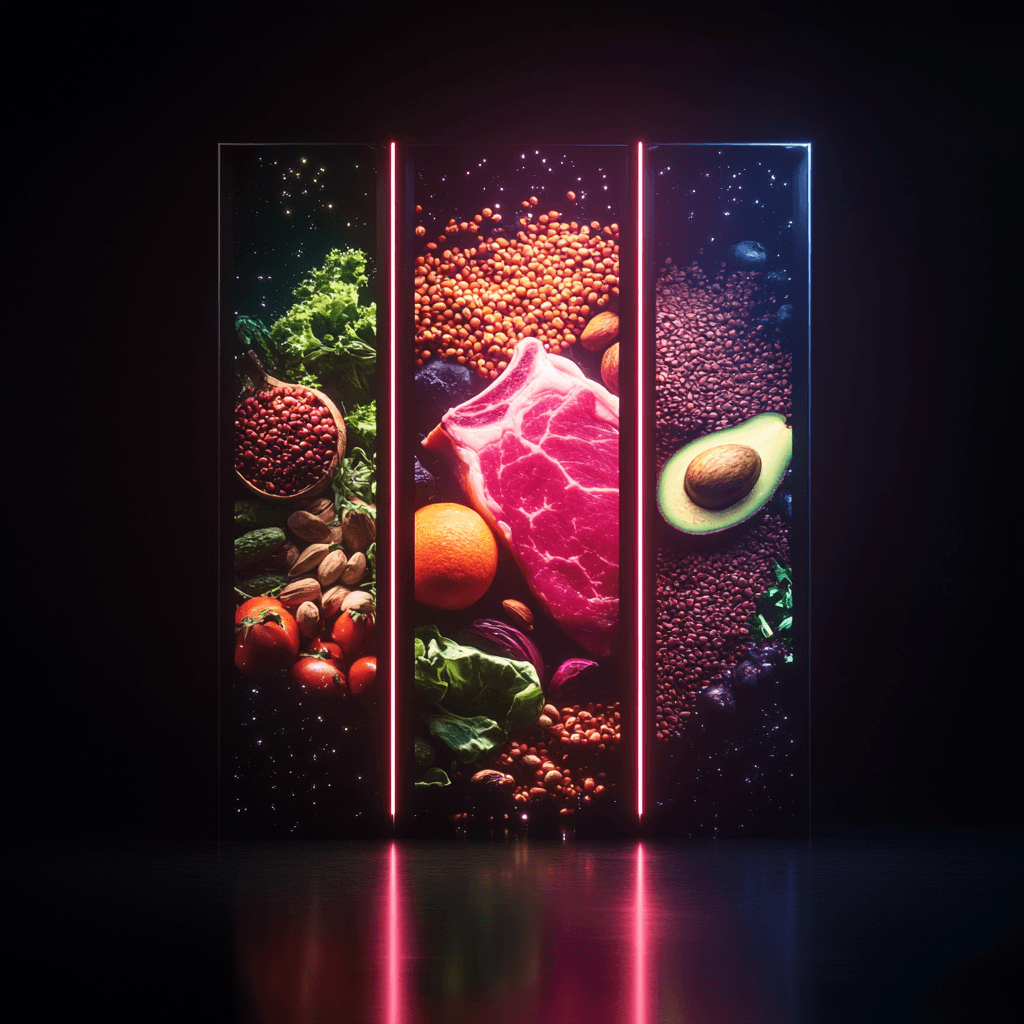
🔹 Section 3: Macronutrient Distribution for Fat Loss
When cutting, the quality and balance of macronutrients becomes more critical than ever to preserve muscle and hormonal function.
🔸 Protein – Anti-Catabolic Shield
Most critical nutrient during cutting
Target 2.0–2.7g/kg body weight (0.9–1.2g/lb)
Prevents muscle breakdown, improves satiety, and boosts thermogenesis
Prioritize lean sources: chicken, turkey, egg whites, fish, low-fat dairy, whey
🔸 Carbohydrates – Training Fuel and Hormonal Health
Crucial for strength, performance, and cortisol balance
Aim for 2–4g/kg/day, adjusted based on activity
Focus on complex, high-fiber sources: oats, quinoa, brown rice, vegetables
Carb cycling (high/low days) can be used to enhance fat burning and recovery
🔸 Fats – Hormonal Backbone
Essential for testosterone, cellular health, and fat-soluble vitamins
Maintain at 0.7–1.0g/kg/day minimum
Prioritize: olive oil, avocado, flaxseeds, fish oil, nuts
🔹 Section 4: Meal Timing and Frequency
While total daily intake matters most, nutrient timing helps maintain energy, performance, and muscle mass during a cut.
Recommended Strategy:
4–6 meals/day: Helps manage hunger and protein distribution
Pre-Workout: Moderate carbs + protein (e.g., rice cake + whey)
Post-Workout: Fast-digesting carbs + protein (e.g., banana + whey or rice + egg whites)
Before Bed: Slow-digesting protein (casein, cottage cheese) to prevent overnight catabolism
Intermittent fasting may work for some individuals but is not optimal for muscle retention unless protein needs are met.

🔹 Section 5: Essential Micronutrients & Supplementation
Caloric restriction can increase the risk of micronutrient deficiencies, especially during prolonged cuts.
🔸 Focus on:
Magnesium: Muscle relaxation, insulin sensitivity
Potassium & Sodium: Electrolyte balance during low-carb or sweaty workouts
Calcium & Vitamin D: Bone health during fat loss
Iron & B12: Oxygen transport, especially in women
🔸 Effective Supplements:
Whey Protein: Lean, complete protein with low calories
Creatine Monohydrate: Preserves strength and muscle mass even during deficit
Caffeine: Boosts performance and fat oxidation
L-Carnitine (controversial but may help in obese or low-carnitine individuals)
Fish Oil: Anti-inflammatory, supports fat loss and brain function
Multivitamin: For micronutrient insurance

🔹 Section 6: Resistance Training and Cardio Synergy
During a cut, training intensity and structure must change slightly to avoid overtraining while continuing to stimulate muscle.
Resistance Training Focus:
Maintain or slightly reduce volume
Emphasize progressive overload when possible
Keep compound lifts (e.g., squats, bench, deadlifts)
Include hypertrophy rep ranges (6–12 reps) to preserve size
Cardio Strategy:
Start with LISS (Low Intensity Steady State) 2–3x/week
Gradually increase or add HIIT based on fat loss plateaus
Avoid excessive cardio (>6 sessions/week) to prevent catabolic state

🔹 Section 7: Metabolic Adaptation and Refeed Strategy
Long-term deficits can lead to adaptive thermogenesis — your body conserving energy by reducing TDEE.
Tools to Mitigate:
Refeed Days: Once every 7–14 days, increase carbs to maintenance to reset leptin and thyroid activity
Diet Breaks: 1–2 weeks at maintenance after 8–12 weeks of dieting to restore hormonal balance and psychological reset
NEAT Monitoring: Stay active throughout the day to offset subconscious movement reductions

🔹 Section 8: Progress Tracking and Adjustments
Monitoring is essential. The scale alone is not reliable — use multiple metrics:
Weekly average body weight
Progress photos every 2–3 weeks
Girth measurements: waist, hips, thighs
Strength levels in key lifts
Biofeedback: energy, mood, sleep quality, libido
Adjust your intake:
If no weight loss in 2 weeks → reduce intake by 100–150 kcal
If losing too fast → increase calories slightly to preserve muscle
🔹 Section 9: Common Mistakes During Cutting
Excessive calorie deficit → rapid muscle loss
Too much cardio, not enough weight training
Low protein intake
Inconsistent tracking of food/macros
Poor sleep and high stress → elevated cortisol, muscle loss, water retention
Neglecting sodium/potassium balance → fatigue, cramps, flat physique

🔹 Section 10: Transitioning Out of a Cut (Reverse Dieting)
Cutting is temporary. Ending it properly prevents rebound fat gain and supports hormonal recovery.
Reverse Diet Strategy:
Gradually increase calories by 100–150 kcal/week, primarily via carbs and fats
Maintain training intensity
Monitor weight weekly — expect slight increases
Stay consistent with meals, sleep, hydration, and stress management